
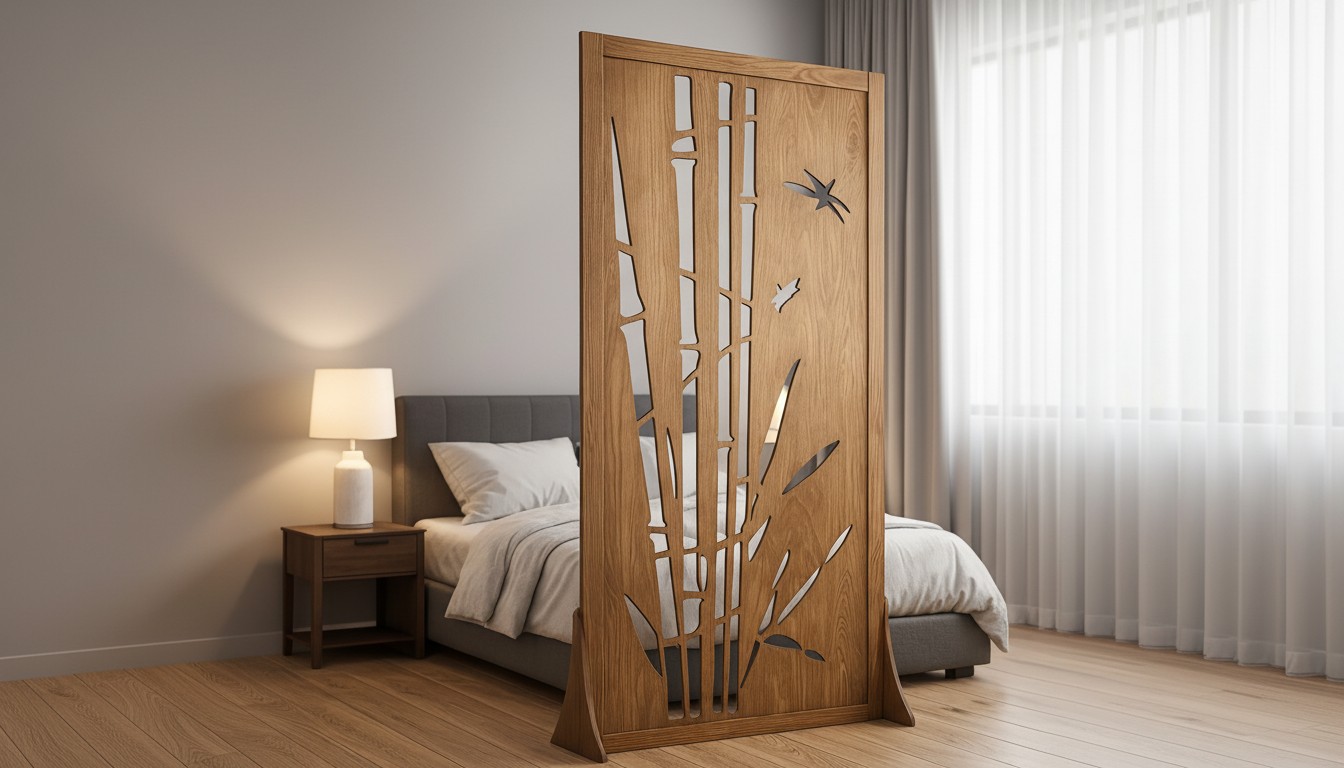
Furniture display is not merely placing a sofa against a wall or a table in the center of a room. It is about creating a narrative that tells the story of the space, reflects personal style, and enhances functionality. When curating a room, one must consider the scale, proportion, and relationship between each piece of furniture.
The Importance of Focal Points
Every room benefits from a clear focal point, which anchors the space and guides the viewer’s attention. A grand sofa, a beautifully designed bookshelf, or a statement armchair can serve as the center of visual interest. Proper lighting and accessory placement, such as rugs, cushions, and decorative objects, enhance the focal point and create harmony in the room.
Layering and Texture
Layering furniture and decor adds depth and richness to a space. Combining textures such as soft fabrics, natural wood, metal, and glass creates visual interest and tactile comfort. Mixing hard surfaces like tables with soft elements like throws or cushions can make the space feel inviting, balanced, and thoughtfully arranged.
Color and Style Coordination
Choosing the right color palette and style theme ensures coherence across the room. Neutral backgrounds allow statement pieces to shine, while carefully chosen accent colors can emphasize certain areas or furniture pieces. Matching the style of furniture, such as modern minimalism or rustic charm, with decor elements creates a cohesive and visually appealing environment.
Functional Display
A furniture display should also be functional. In a living room, the arrangement should facilitate conversation and comfort. In dining areas, spacing and accessibility are key. For retail or showroom settings, displays should inspire customers to envision the furniture in their own homes while demonstrating practical use. Combining aesthetics with usability ensures that the furniture is both beautiful and purposeful.
Incorporating Accessories
Accessories such as candles, vases, books, and decorative trays can enhance the overall appeal of a display. They add personality, context, and lifestyle imagery that help viewers connect with the space. Strategic placement of soft furnishings like rugs, cushions, and curtains can soften hard lines, add warmth, and unify the room’s aesthetic.
Lighting and Ambience
Lighting is another critical component of furniture display. Natural light highlights the true color and texture of materials, while artificial light can create mood and focus. Floor lamps, table lamps, and overhead fixtures, when used thoughtfully, can accentuate key pieces and areas, making the display more engaging.
Creating Seasonal and Thematic Displays
Changing accessories or soft furnishings seasonally keeps a display fresh and relevant. Incorporating seasonal flowers, textiles, or decorative elements can tell a story and make the space feel dynamic. Thematic displays, such as minimalistic modern or cozy rustic, guide the viewer’s perception and help them imagine their own homes styled similarly.