
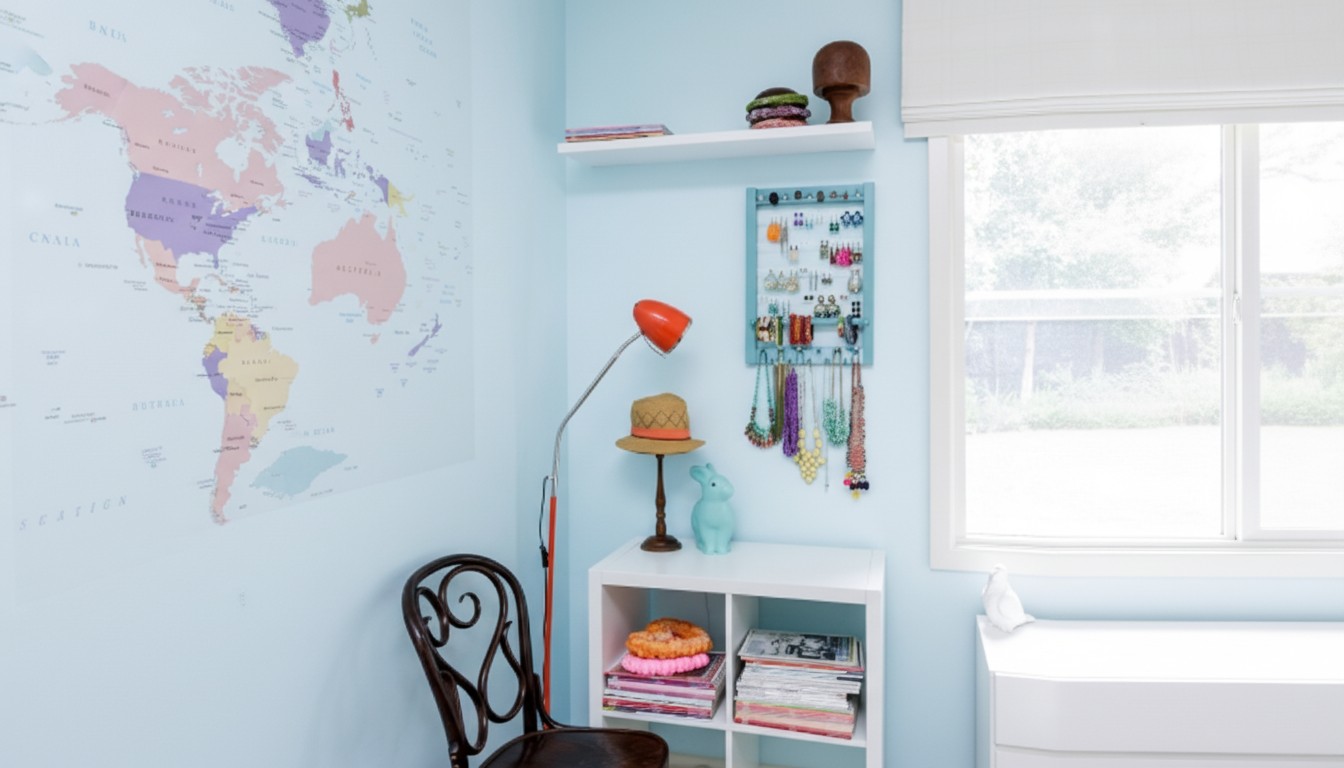
Furniture display is more than simply filling a room with pieces. It is the careful orchestration of layout, proportion, and visual flow to ensure that each area feels intentional and cohesive. Thoughtful arrangement of sofas, tables, shelves, and chairs creates pathways for movement while maintaining a balance between function and aesthetics.
Planning Functional Spaces
Effective furniture display begins with spatial planning. Living areas require seating that encourages conversation and social interaction. Dining spaces need accessibility and appropriate clearance between tables and chairs. Bedrooms benefit from layouts that maximize comfort and storage without crowding. By considering human traffic patterns, sight lines, and room purpose, furniture display can support daily routines seamlessly.
Aesthetic Harmony
The visual appeal of a room depends on consistent color schemes, materials, and style. Mixing textures like wood, metal, glass, and fabrics adds depth. Coordinating furniture pieces with wall colors, flooring, and accessories creates a unified aesthetic. Statement pieces, such as a bold armchair or artistic bookshelf, become focal points when complemented by surrounding decor.
Incorporating Accessories
Accessories bring personality and context to furniture displays. Items such as candles, vases, books, trays, and decorative bowls add lifestyle elements that make the room feel lived-in and inviting. Layering rugs, throws, and cushions softens hard edges and adds warmth. Rotating accessories seasonally or thematically keeps the space fresh and engaging.
Lighting and Ambiance
Lighting enhances both functionality and mood. Natural light reveals true material colors and textures, while artificial lighting can highlight key areas or create atmosphere. Table lamps, floor lamps, and pendant lights, when positioned strategically, accentuate furniture, highlight displays, and add drama. Dimmer controls allow adaptation for different times of day and occasions.
Functional Design Meets Style
Furniture display must meet practical needs while maintaining elegance. Storage solutions integrated with design, such as built-in shelving, multi-functional furniture, and cleverly placed cabinets, contribute to efficiency and aesthetic appeal. In commercial or retail environments, functional yet visually appealing layouts inspire visitors to imagine these arrangements in their own homes.
Creating Lifestyle Spaces
A successful furniture display conveys a story of lifestyle and taste. Combining elements such as plants, tableware, lighting, and textiles communicates a sense of warmth, style, and functionality. This narrative approach allows viewers to connect emotionally, making the space relatable, aspirational, and visually compelling.